


10 Things That Will Make Your Kids Fall in Love with Arches National Park

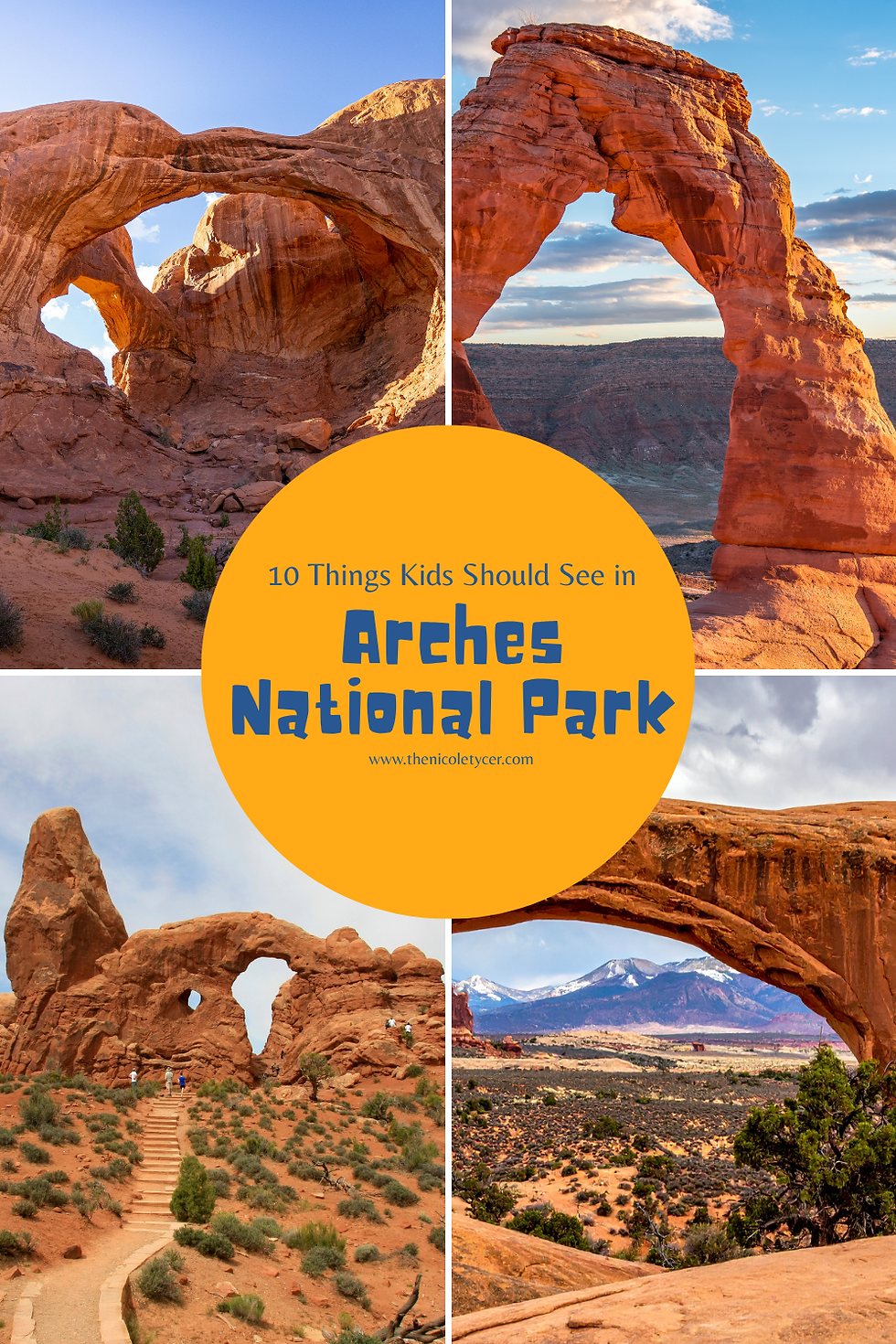
Arches National Park isn’t just a place to look at rocks—it’s a giant outdoor science classroom. Every arch, canyon, and balanced rock tells a story about erosion, weather, time, and the incredible forces that have shaped the Colorado Plateau. If you’re exploring Arches with kids, these are ten places and experiences I would put on your family adventure list.
1. Delicate Arch in Arches National Park
No trip to Arches National Park feels complete without seeing the iconic Delicate Arch! It's a great opportunity to show kids how wind, water, ice, and millions of years of erosion can turn ordinary sandstone into something extraordinary. Not up for the 3-mile round-trip hike? No worries! You can still get a fantastic look at this famous landmark from the designated viewpoints without tackling the full trail.

The hike to Delicate Arch is an adventure all on its own! The 3-mile round-trip trail climbs steadily over slickrock, with little shade and some steep drop-offs near the arch, so be sure to bring plenty of water, sturdy shoes, and take your time with younger hikers. But here's a little secret: Delicate Arch is spectacular after dark, too! On a clear night, the arch frames an incredible star-filled sky, making it a memorable experience for kids and grown-ups alike. Just remember to bring headlamps or flashlights, check the weather, and plan your hike carefully. Walking the trail in the dark isn't for every family, but the night sky over Arches is something special! Make sure to take your flashlights, jackets, and treats!
2. The Windows
The Windows Section is like nature’s own playground, and it's one of the best places in Arches National Park for kids to explore! Here you'll find North Window, South Window, and Turret Arch, each with its own personality and amazing shape. A relatively short walk takes you to several incredible rock formations, making it easy for little explorers to see just how creative Mother Nature can be. Let kids use their imaginations: Do the arches look like giant eyes, doorways, or windows into another world? The area also offers fantastic opportunities to scramble around designated slickrock areas, spot interesting desert plants, and talk about how wind and water slowly carve away the sandstone. If you have time, stick around for sunrise or sunset when the red rocks seem to glow!

3. Double Arch
Double Arch is one of those places that makes kids stop in their tracks and say, "Whoa!" Unlike most arches, which are formed by erosion working through a single rock wall, Double Arch features two enormous arches that spring from the same foundation and curve together overhead. It's hard not to feel tiny standing beneath these massive sandstone formations!

The short, relatively easy walk from the parking area makes this a fantastic stop for families, and once you arrive, kids can get a closer look at the incredible curves, textures, and layers of the sandstone. It's a great place to talk about how water, freezing temperatures, and time work together to shape the landscape. The open area beneath the arches also makes for some unforgettable family photos. Visit in the morning or late afternoon for beautiful light, and be sure to look up—you'll see why Double Arch is one of the park's most memorable natural wonders!
4. Balanced Rock
Balanced Rock is one of the most fascinating sights in Arches National Park, and kids will probably wonder how on earth that enormous rock stays up there! Standing about 128 feet tall, this towering formation features a massive sandstone boulder perched on a much narrower pedestal. It looks like a giant rock someone carefully placed on top, but there's no magic involved—just millions of years of geology at work!

Here's the fun science lesson: the softer rock surrounding the pedestal has gradually eroded away, leaving behind the harder rock that supports the boulder. Although it looks precariously balanced, the boulder is still connected to its pedestal. But that won't last forever! Wind, rain, freezing temperatures, and other natural forces continue to wear away the sandstone. Eventually, Balanced Rock will change dramatically, just as nearby formations have throughout the park's history.
Kid-friendly challenge: Ask your young explorers to guess how much longer they think Balanced Rock will stand. Then talk about how even the biggest, strongest-looking rocks are constantly changing. It's a great reminder that geology isn't just something that happened millions of years ago—it's happening right in front of us!
5. Park Avenue
Park Avenue is one of the most impressive places in Arches National Park, and it gets its name for a good reason! As you walk into this towering sandstone canyon, you'll feel as though you're wandering between the skyscrapers of a giant city. Massive rock walls rise hundreds of feet above the trail, creating a natural skyline that makes even grown-ups feel small.

This is a wonderful place to let kids' imaginations run wild. Challenge them to look up and find shapes in the rocks. Do they see faces, animals, castles, or buildings? Maybe one formation looks like a giant skyscraper or another like a creature guarding the canyon. The possibilities are endless!
The Park Avenue Trail is about 1 mile one way, with an elevation change of roughly 320 feet. Families can hike down to the Courthouse Towers area and arrange a pickup, or simply explore the upper viewpoint for a shorter visit. Along the way, talk about how millions of years of sediment, uplift, and erosion created these incredible sandstone walls. It's a geology lesson wrapped up in a real-life adventure!
6. Landscape Arch
Landscape Arch is a must-see for families visiting Arches National Park, and it's one of those formations that makes you wonder how something so delicate can be so enormous! Located in the Devils Garden area, this incredible ribbon of sandstone stretches approximately 306 feet from end to end, making it one of the longest natural arches in North America. The rock is remarkably thin in places, almost as if someone carved a giant stone ribbon into the desert sky.

The hike to Landscape Arch is about 1.6 miles round trip along a relatively easy, well-traveled trail, making it a great adventure for families with kids who are ready for a little walking. Along the way, keep an eye out for smaller arches, desert plants, and fascinating rock formations.
Here's the science lesson: arches don't last forever! Water seeps into tiny cracks in the sandstone, freezes and expands, and gradually breaks pieces of rock away. Wind and other natural forces continue the process. In fact, several large sections of Landscape Arch fell away in 1991, dramatically changing its appearance. Today, visitors must admire it from a designated viewing area because the arch is too fragile to walk beneath.
Kid Explorer Challenge: Ask kids to imagine what Landscape Arch might look like in another thousand years. Will it still be standing, or will nature have created something entirely new? It's a great way to remind them that national parks aren't just beautiful places to visit—they're living laboratories where the science of our planet is happening every day!
7. Sand Dune Arch
Sand Dune Arch is one of those special places in Arches National Park that feels like you've stumbled upon a secret! Unlike some of the park's wide-open viewpoints, this little gem is tucked between towering sandstone walls, making the walk feel like an adventure from the very beginning. A short trail leads through a narrow passage and across soft, deep sand before revealing the beautiful arch hidden in the rocks.

Kids especially love this stop because it feels more like exploring a giant natural playground than hiking a traditional trail. The shady canyon walls offer a welcome break from the desert sun, and the sandy floor is irresistible to little feet. It's a fun place to let imaginations take over. Does the arch look like a doorway to a secret world? Could a desert explorer or ancient creature be hiding around the next corner?
The walk is only about half a mile round trip, making it an easy addition to your family itinerary. Just remember that the sand can get hot, and the narrow rock passages are tempting places to climb, so keep little explorers on the established trail and away from unstable rocks.
Kid Explorer Challenge: Pretend you're discovering a hidden desert treasure. What clues can you find in the sandstone? Look for ripples, tiny cracks, and different colors in the rock. Even a short stop at Sand Dune Arch can turn into a memorable little adventure!
8. Devils Garden
Devils Garden is where Arches National Park really turns up the adventure! Located at the end of the park road, this incredible area is filled with towering sandstone fins, narrow rock passages, natural arches, and some of the most fascinating scenery in the entire park. It's a wonderful place for kids to feel like they're exploring another planet. Around every bend, there's something new to discover!

The Devils Garden Trail offers several options, depending on your family's energy level and hiking experience. You don't have to tackle the entire trail to enjoy this area. A short walk brings you to Landscape Arch, one of the longest natural arches in North America. Families looking for a little more adventure can continue toward Navajo Arch, Partition Arch, and Double O Arch. The full loop is much more challenging, with steep slickrock sections, narrow ledges, and areas where careful footing is essential.
What makes Devils Garden especially interesting from a science perspective is its sandstone fins. These tall, narrow walls began as massive sandstone layers that fractured as the surrounding landscape changed. Over time, erosion widened the cracks and sculpted the fins into the arches and unusual formations we see today.
Kid Explorer Challenge: Look closely at the sandstone fins. Can you spot places where the rock is beginning to crack or wear away? Ask kids to imagine what these formations might look like thousands or even millions of years from now. Which fin might become an arch? Which arch might eventually disappear?
Family Tip: Bring plenty of water, wear sturdy shoes, and check trail conditions before heading out. The full Devils Garden loop is not a casual family stroll, but even a short exploration can deliver some unforgettable discoveries!
9. Wolfe Ranch & Petroglyphs

Wolfe Ranch is a wonderful place to add a little history and mystery to your Arches National Park adventure! Just a short walk from the parking area near the Delicate Arch trailhead, you'll find a fascinating panel of petroglyphs carved into a sandstone wall. These ancient rock carvings were created by Indigenous people, offering a glimpse into the lives, stories, and traditions of those who lived in this region long before it became a national park.
The figures include images of people, animals, and other symbols that invite plenty of questions. Some of the most recognizable carvings feature horses and human figures, believed to reflect the Ute people and their experiences after horses were introduced to the region. While we may never know the full meaning behind every symbol, these carvings remind us that the desert landscape has been home to people for thousands of years.
Wolfe Ranch itself adds another layer to the story. John Wesley Wolfe settled here in the late 1800s, and the remains of his historic cabin give visitors a glimpse into the challenges of ranching in this rugged desert environment.

Kid Explorer Challenge: Ask kids to look closely at the petroglyphs and imagine what stories the artists might have wanted to share. What animals do they recognize? What might daily life have looked like in this landscape hundreds of years ago? Remind them that petroglyphs are irreplaceable cultural treasures. Look, learn, and photograph, but never touch, trace, or add anything to the rock surface.
It's a wonderful opportunity to remind young explorers that national parks protect more than spectacular scenery. They also preserve the stories and cultural history of the people who came before us!
10. The Night Sky
One of the best ways to experience Arches National Park is to stick around after the sun goes down. With its remote desert location and relatively low levels of light pollution, Arches is an incredible place to introduce kids to the wonders of the night sky. In fact, the park is an International Dark Sky Park, recognized for protecting some of the darkest and most spectacular night skies in the country.

Once darkness settles over the red rock landscape, look up! The Milky Way can stretch across the sky like a glowing river of stars, and familiar constellations become easier to spot without the bright lights of nearby cities. Depending on the season, you might even catch a meteor shower or see planets shining above the sandstone formations. Bring a blanket, find a safe viewing location, and let kids practice identifying constellations. You can even download a stargazing app before your visit to help identify what you're seeing.
There's something magical about seeing the park's famous arches and towering rock formations silhouetted against a sky filled with stars. It's also a great opportunity to talk about light pollution, why darkness matters to wildlife, and how protecting natural night skies is another important part of preserving our national parks.

Make It a Learning Adventure: Ask your kids to choose one arch or sandstone formation and draw what they imagine it looked like 10,000 or even 100,000 years ago. Then have them imagine what it might look like another 100,000 years from now. After sunset, head outside and sketch the same formation beneath the stars. Talk about how the landscape is constantly changing, even when it looks like it has stood still forever.
Family Tip: Check the park's current night-sky programs and ranger-led astronomy events before your visit. Bring warm layers (desert nights can get chilly), red-light flashlights to preserve your night vision, and plenty of patience while your eyes adjust to the darkness. Remember to stay in designated areas and watch your footing after dark. Arches isn't just spectacular during the day. Sometimes the greatest show begins when the sun goes down!
Plan Your Southwest Adventure!
Arches National Park is one of those places that belongs on every family's Southwest bucket list. With more than 2,000 documented natural stone arches, towering sandstone fins, enormous balanced rocks, and a landscape that looks almost otherworldly, there's no shortage of things to explore. Whether you're traveling with toddlers, curious school-age kids, or teenagers who love a good adventure, Arches offers opportunities to turn an ordinary vacation into an unforgettable outdoor classroom.

When to Visit: Spring and fall are generally the most comfortable seasons for exploring Arches with kids. Temperatures are milder, making hiking and sightseeing more enjoyable. Summer can bring extreme heat, so plan outdoor activities for early mornings and evenings. Winter offers fewer crowds and a completely different perspective of the red rocks, sometimes dusted with snow.
Give Yourself Time: You can see several highlights in one day, but I'd recommend spending at least two days if your schedule allows. This gives your family time to explore the Windows Section, Double Arch, Balanced Rock, Delicate Arch, and Devils Garden without feeling rushed. Don't forget to leave room for unexpected discoveries along the way!
Start Early: Arches is incredibly popular, especially during spring and fall. Arriving early helps you beat the crowds, find parking, and enjoy cooler temperatures. During certain busy seasons, timed-entry reservations may be required, so check the National Park Service website before leaving home.
Pack Like an Explorer: Bring more water than you think you'll need, sunscreen, hats, sturdy walking shoes, snacks, and a small backpack for each child. A nature journal, colored pencils, binoculars, and a magnifying glass can turn even a short walk into a science adventure. Remember that desert environments are fragile, so stay on designated trails and leave rocks, plants, and other natural treasures where you find them. Make sure to take a copy of "For the Love of the Parks: Southwest Region" in your backpack!

Make Moab Your Home Base: The nearby town of Moab is a fantastic place to stay while exploring Arches. You'll find family-friendly lodging, restaurants, outdoor outfitters, and plenty of additional adventures. If you have extra time, consider adding Canyonlands National Park, Dead Horse Point State Park, or a Colorado River adventure to your itinerary.
Turn Every Stop Into a Classroom: One of the best things about visiting Arches with kids is that you don't need a formal lesson plan. Ask questions, look closely, make observations, and encourage curiosity. Why are some rocks red? How does an arch form? Where does desert wildlife find water? What happens when the wind blows sand against sandstone for thousands of years?

My biggest advice? Don't just drive through looking for the famous arches. Slow down, get out of the car, explore, ask questions, and let your kids lead the discovery. Those are the moments that turn a family vacation into a lifelong love of our national parks! Arches is one of the 16 incredible national parks featured in my book, For the Love of the Parks: Southwest Region—The Science, Stories, and Secrets of 16 National Parks.
If your family wants to explore beyond the overlooks and understand the science, history, stories, and secrets behind these landscapes, this book was created for you.
Make sure to follow along on Instagram @thenicoletycer for more fun family trips!


Comments