


Nature’s Little Mysteries: The Oyster Shell Reef of Capitol Reef National Park


What if I told you that part of Utah was once covered by a sea—and you can still see evidence of it today?
When you picture Capitol Reef National Park, you probably imagine towering red cliffs, sandstone domes, and rugged desert landscapes. But about 100 million years ago, this part of Utah looked very different. A shallow sea covered the region, creating coastal environments where oysters thrived. Today, their fossilized shells reveal a fascinating chapter in Utah’s ancient history.
A Reef Made of Oyster Shells?
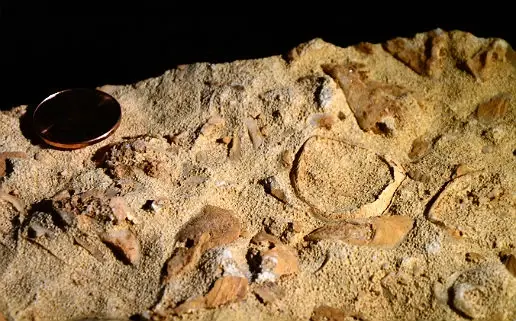
Along the Notom-Bullfrog Road in Capitol Reef’s Waterpocket District, you can find a remarkable deposit known as the Oyster Shell Reef. This dense accumulation of fossilized oyster shells formed in coastal environments and was eventually preserved in a rock layer called the Dakota Sandstone.
Imagine a coastline millions of years ago, with oysters living in shallow, brackish water. As generations of oysters lived and died, their shells accumulated. Over time, sediment buried the shells, and geological processes helped preserve them in rock. What remains today is a window into a world that existed long before Utah became the landscape we recognize.
What Can Oyster Fossils Tell Us?
Fossils are nature’s history books. These oyster shells help scientists understand how environments change over millions of years. They provide evidence that ancient seas once reached into what is now southern Utah, leaving behind clues about the creatures and conditions that existed there.
The next time you explore Utah’s red-rock country, remember that the desert beneath your feet may hold evidence of an ancient shoreline. The landscape is more than beautiful scenery—it is a record of our planet’s remarkable past.
Nature’s Mystery to Ponder
If oysters once thrived where Utah’s desert now stretches, what other surprising creatures might have lived here millions of years ago?
Plan an adventure: The Oyster Shell Reef is located along the Notom-Bullfrog Road in Capitol Reef National Park’s Waterpocket District. This area is remote, so check current road conditions and plan ahead before visiting. Remember to leave fossils where you find them so others can enjoy these natural treasures, too.
Keep exploring, stay curious, and discover the stories hidden in nature!


Comments